What Hurricane Isaias Taught Us: Lessons We Didn't Expect

November 17, 2026

This is a subtitle for your new post

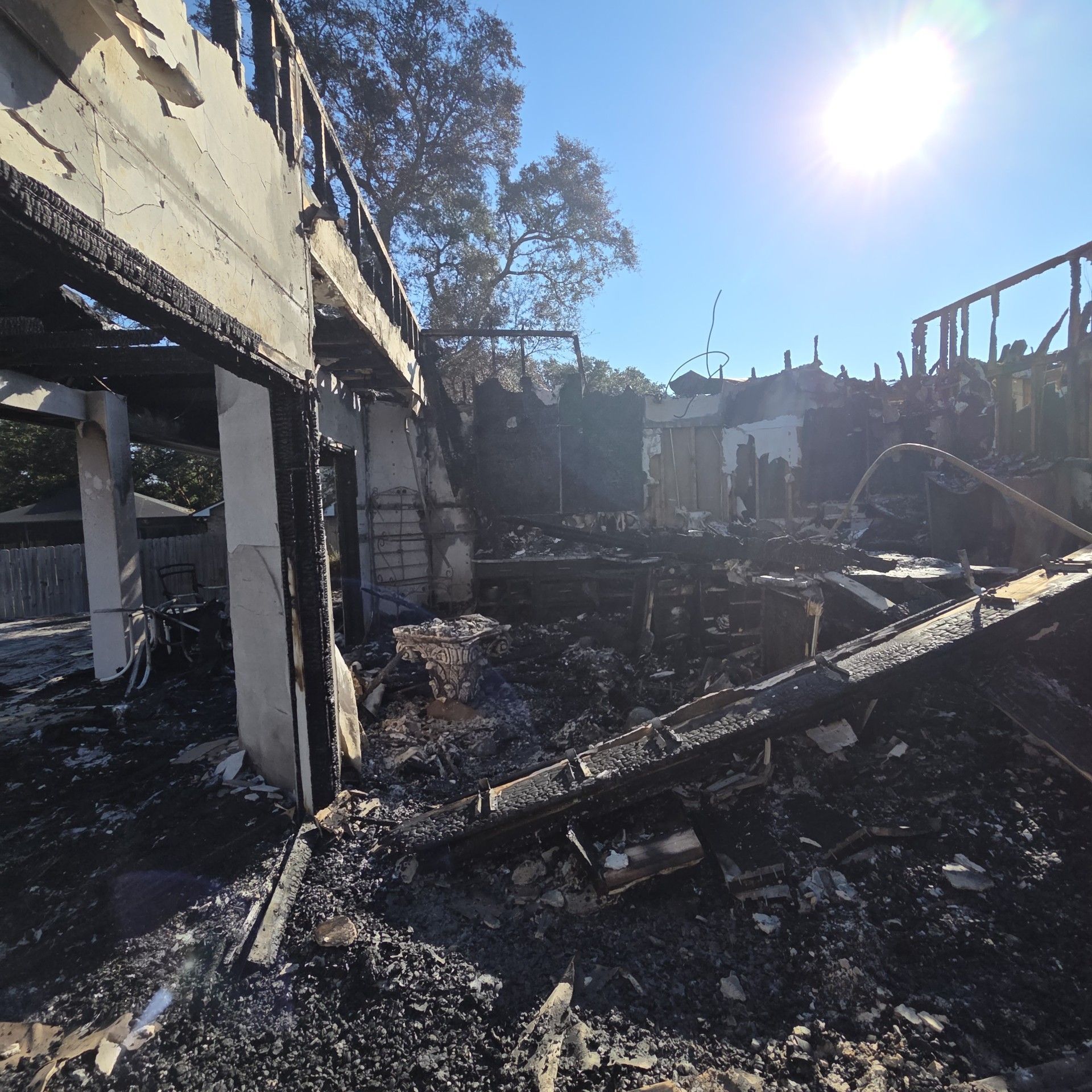
The above image may not be what you expected to see after a hurricane. But we recently learned how the aftermath of a storm can have huge unintended consequences.

When Hurricane Isaias rolled through in October 2026, a lot of us figured we knew the drill. Stock up on water, charge the phones, bring in the patio furniture, wait it out. We've lived here long enough to have done this before.

But Isaias had a few surprises for us. As a local insurance agency, we didn't just ride out the storm at home with our own families. We've spent the weeks since on the phone with neighbors, customers and friends, helping them sort through the mess. Some of what we learned wasn't in any hurricane prep checklist.

Here are the lessons that stuck with us, in the hope they help you get ready for the next one.

1. The power (and your cell signal) can be out a lot longer than you think

Most of us plan for a day or two without electricity. After Isaias, plenty of our neighbors went much longer than that. And here's the part that caught people off guard: the cell towers went down too.

We're so used to our phones being the backup plan. No power? Check the outage map on your phone. Need help? Call someone. When the towers lost power, that safety net disappeared. People couldn't reach family, couldn't check on elderly parents, and couldn't call to report a claim.

What we'd do differently:

  • Plan for several days without power, not just one.
  • Keep a battery or hand-crank radio for news and updates.
  • Have portable battery packs fully charged, plus a car charger.
  • Write down important phone numbers on paper, including your insurance agent and your policy number.
  • Agree on a meeting spot or check-in plan with family in case you can't call.

2. Water finds a way in, even without a damaged roof or a flood

When people think about hurricane water damage, they picture a hole in the roof or water rising up from the street. Those happen, but Isaias showed us another way water gets in.

Wind-driven rain is relentless. We saw homes where water was pushed in through the tiny gaps around exterior doors. We saw window seals that were literally blown in by the pressure, letting rain pour down the inside of the walls. The roof was fine. There was no flooding. And the homeowners still had soaked carpet, drywall and baseboards.

What we'd do differently:

  • Check the weatherstripping and thresholds on your exterior doors before storm season.
  • Look at window seals and caulking, and repair anything cracked or pulling away.
  • Keep towels or a few sandbags handy for the base of doors that face the wind.
  • After the storm, check under windows and near doors for damp spots, even if everything looks fine at first. Hidden moisture can turn into mold quickly.

3. Your insurance company matters more than your premium

This one we watched play out firsthand, over and over. Two neighbors on the same street could have nearly identical damage and completely different experiences, depending on who insured them.

The better-quality companies stood out quickly. They answered the phone. They sent adjusters out sooner. They were more reasonable about what was covered, and there was less back-and-forth. And they paid claims faster, which matters a lot when you're trying to get a tarp off your roof and your family back to normal.

Other companies were slower at every step. Longer waits for an adjuster, more pushback and longer delays before a check arrived.

It's tempting to shop for homeowners insurance on price alone. But the real test of a policy is how the company treats you on the worst day. When you compare options, ask your agent how each company handles claims after a big storm. That's exactly the kind of thing a local agent knows from experience.

4. Be wary of the storm chasers

Within days of Isaias, our area was flooded with out-of-town public adjusters and roofers. They descended like vultures. They knocked on doors, left flyers and called homeowners who were still cleaning up debris.

Many of the public adjusters had the same pitch: "Hire us right away so we can fight the insurance company for you." It sounds reassuring when you're stressed and overwhelmed. But what we saw is that bringing in a hired adjuster at the very start often made things worse, not better.

Instead of a simple claim between you and your insurer, it became a fight from day one. Claims that could have been settled quickly are dragging on. Some already involve attorneys. Public adjusters also take a percentage of your settlement, and legal fees add up. In the end, everyone pays more, including homeowners, whose premiums rise when claim costs go up across the board.

What we'd do instead:

  • Call your agent and your insurance company first. Give the normal claims process a chance.
  • Don't sign anything on your doorstep, especially a contract that hands over your claim or your settlement.
  • Use local, licensed and established roofers and contractors. Ask neighbors and your agent for referrals.
  • If you truly hit a wall with your claim, talk to your agent about your options before hiring outside help.

5. The storm isn't over when the wind stops

This might be the biggest surprise of all. Some of the most serious storm-related claims we handled didn't happen during Isaias. They happened afterward.

One of our customers had a power surge when the electricity came back on. That surge started a fire in their attic, and the house burned to the ground. The storm had passed. The skies were clear. And a family still lost their home because of it.

Another customer had a tree that made it through the storm standing. It looked fine. But its roots and trunk had been weakened, and it came down later, causing damage after everyone thought the danger was behind them.

What we'd do differently:

  • Unplug sensitive electronics and appliances during outages, and consider whole-home surge protection.
  • When power is restored, watch and smell for anything unusual, like burning odors, flickering lights or warm outlets.
  • Have trees near your home checked after a major storm, especially if they're leaning or the ground around them has shifted.
  • If something happens in the days or weeks after a storm, call your agent. It may still be a storm-related claim.

Getting ready for the next one

Isaias reminded all of us that a hurricane's impact goes well beyond the day it makes landfall. Outages last longer, water sneaks in through small gaps, and the company behind your policy shapes the whole recovery. Storm chasers show up fast, and some damage doesn't appear until the storm is long gone.

The good news is that a little preparation goes a long way. Take a look at your doors and windows, put together a real outage plan, and sit down with your agent to review your coverage before the next storm is in the forecast.

If you have questions about your policy, or you're still working through an Isaias claim, give us a call. We're your neighbors, we've been through it too, and we're here to help.

Telephone icon with speech bubble.

Get A Quote

At Norton Insurance, securing your future is easy. Ready to protect what matters? Contact us for a quick quote and personalized insurance options!

Contact Norton Insurance

102 Beal Parkway Southwest, Fort Walton Beach, Florida 32548, United States

Person with shield icon featuring a checkmark.

Personal Insurance

From auto and homeowners to renters and umbrella policies, we help protect your family and property. Let’s find coverage that fits your life.

Buildings with coins, a shield, and a checkmark, suggesting financial security.

Commercial Insurance

We customize policies for your industry's risks, like general liability and workers' comp, ensuring you can run your business worry-free.

A black and white line-art icon of a factory with a large gear positioned above it.

Insurance by Industry

Every industry has unique risks. We match you with specialized coverage designed for your trade, keeping your operations protected.

Black telephone handset icon.

Kelly

i
Kelly is not a licensed insurance agent. Only licensed agents can provide quotes or coverage recommendations. Calls may be reviewed for quality and training purposes.

Speak to our virtual assistant Kelly 24/7

Microphone icon.

Microphone ready


Black check mark.

Start your custom insurance quote

Black check mark.

Instant answers to your insurance questions

Black check mark on a white background.

Schedule appointments or follow-ups

Share this article

Recent Posts

By Daniel Norton • November 17, 2026
Many Florida business owners believe they’re fully insured—until a claim exposes a coverage gap. Businesses in Destin , Fort Walton Beach , and across Florida often discover too late that standard policies don’t cover everything they rely on to operate. Here are some of the most common—and costly—gaps we see. Equipment Coverage Gaps Tools, machinery, and specialized equipment are often underinsured or improperly classified. Common issues include: Equipment limits that haven’t kept up with replacement costs Tools excluded when taken off-site Leased or rented equipment not properly covered For contractors, service businesses, and trades across Florida, equipment losses can shut down operations quickly if coverage isn’t structured correctly. Commercial Auto Coverage Gaps Another major gap involves vehicle usage. Many businesses rely on: Personally owned vehicles used for work Mixed personal and business use Employees driving for business purposes Personal auto policies often exclude these scenarios. Without proper commercial auto coverage , a claim can be denied—leaving the business exposed to significant liability. We regularly review vehicle ownership, usage, and driver exposure to ensure policies reflect how vehicles are actually being used. Cyber Liability Most standard business policies exclude cyber incidents. With data breaches and ransomware claims increasing, this gap continues to grow for Florida businesses of all sizes. Ordinance and Law Coverage After a property loss, rebuilding to current Florida building codes can be far more expensive than expected—especially in coastal areas. Umbrella Liability Florida’s litigation environment means standard liability limits can be exhausted faster than many businesses realize. Why These Gaps Exist Policies aren’t reviewed regularly Businesses grow but coverage stays the same Equipment and vehicles are added without updates Premium savings take priority over exposure This is why we actively track market changes, coverage forms, and premium trends , helping clients adjust coverage before losses occur—not after. How Florida Businesses Can Close Coverage Gaps Schedule regular coverage reviews Update equipment values and usage Review vehicle exposure annually Work with an agency that advocates for proactive protection Bottom Line: Coverage gaps don’t appear on declarations pages—but they show up during claims. Having an insurance partner who monitors the Florida market and advocates for your business helps ensure coverage keeps pace with real-world risk.
By Daniel Norton • November 17, 2026
This is a subtitle for your new post
November 17, 2026
This is a subtitle for your new post