

Workers’ Compensation in Florida: What Employers Need to Know This Year Workers’ compensation requirements in Florida are strict—and often misunderstood. Employers in Destin , Fort Walton Beach , and throughout Florida can face serious financial consequences if payroll and classifications are not reported accurately. One of the biggest pain points we see? Workers’ compensation audits and unexpected back premiums. Who Is Required to Carry Workers’ Compensation in Florida? Florida law generally requires workers’ compensation coverage for: Construction businesses with one or more employees Non-construction businesses with four or more employees Misclassifying employees, assuming subcontractors are exempt, or underestimating payroll can all lead to compliance issues. How Workers’ Comp Audits Really Work Most Florida workers’ compensation policies are auditable , meaning carriers review actual payroll at the end of the policy period. If payroll is: Underreported Misclassified Not updated as the business grows the result is often a large audit bill , sometimes months after the policy expires. Many employers are caught off guard by back premiums they didn’t budget for—especially after a strong growth year. Why Inaccurate Payroll Reporting Is So Costly Underreporting payroll doesn’t save money long-term. Instead, it often leads to: Unexpected audit balances Cash flow strain Policy non-renewals Increased scrutiny from carriers This is why we work proactively with our clients to track payroll changes throughout the year , not just at renewal. How We Help Employers Avoid Audit Surprises We regularly: Review estimated vs. actual payroll Monitor job classifications for accuracy Prepare clients for upcoming audits Advocate with carriers when discrepancies arise Our goal is to help employers avoid surprises by addressing issues before an audit triggers back premiums. Why Annual (and Mid-Year) Reviews Matter Florida businesses evolve quickly. If staffing, wages, or operations change mid-policy, coverage should change too. Bottom Line: Workers’ compensation audits are unavoidable—but large back premiums often are. Having an agency that tracks payroll changes, prepares for audits, and advocates for corrections helps Florida employers stay compliant while controlling costs.
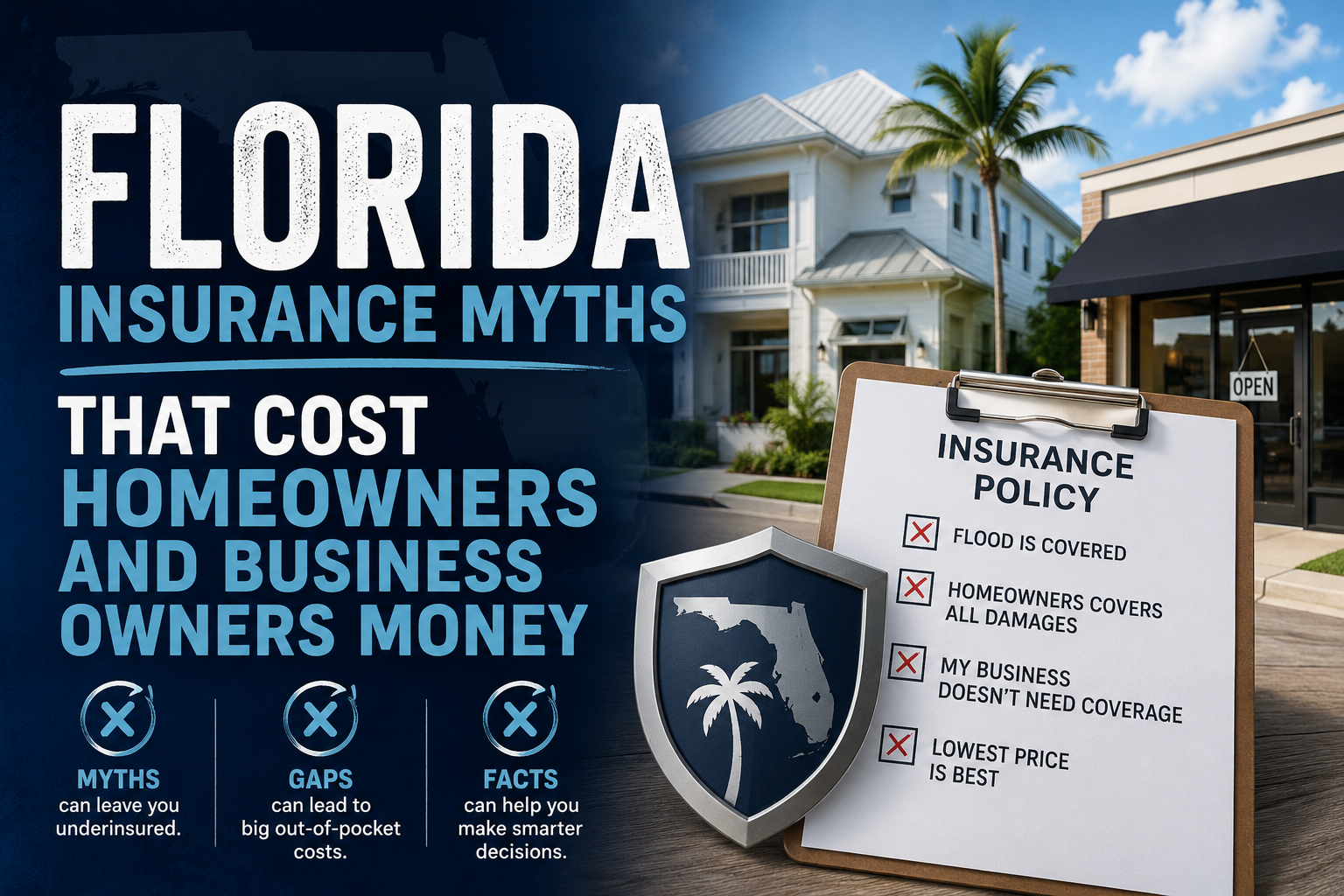
Don't be fooled by these common misconceptions about Florida Insurance.

A local's guide to Emerald Coast insurance: home, auto, flood, and business coverage, town by town, from an independent agency serving the coast since 1982.